A in W.A.G.O.N.
Advocacy: the people pulling the wagon.
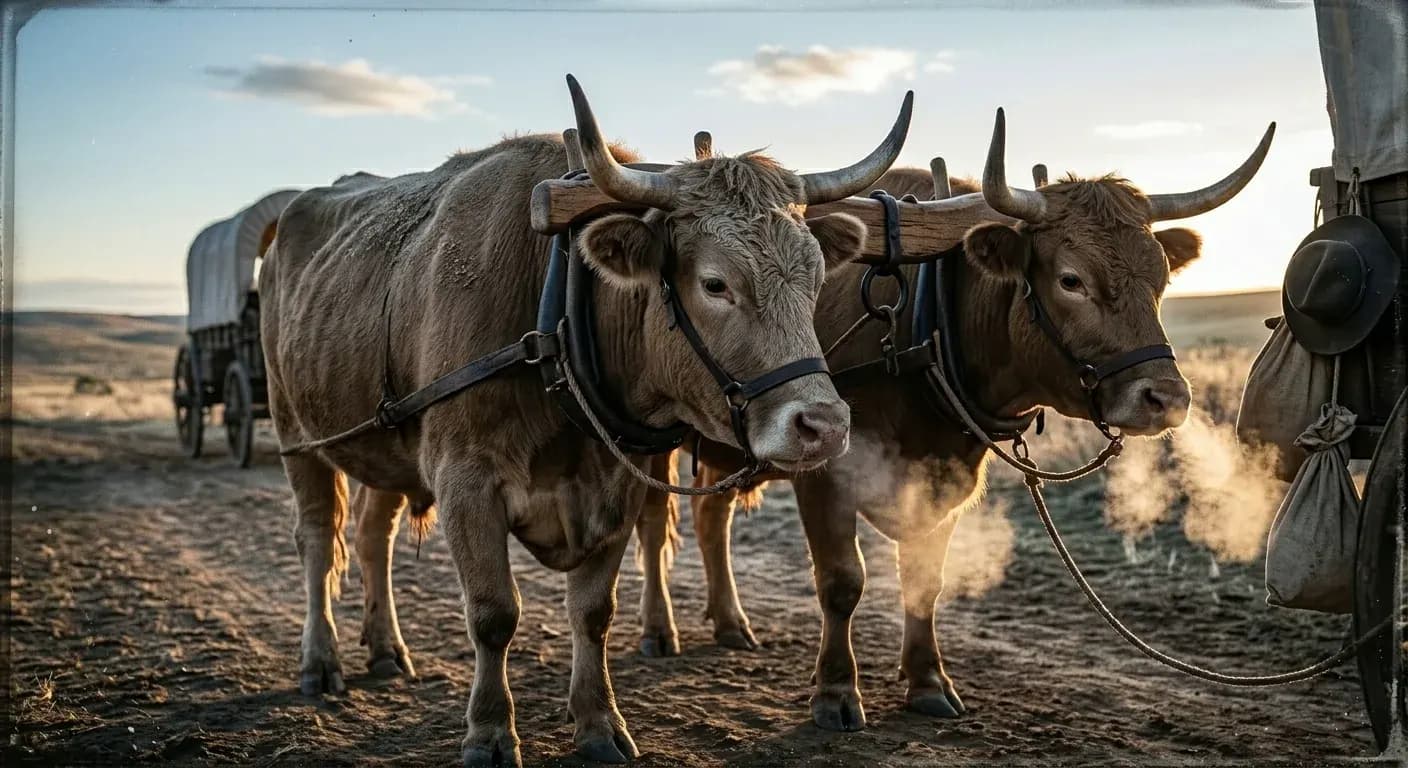
Every wagon needs something to pull it. On The Wagon Method trail, that something is a team of caring adults, yoked together, moving at the pace the child can keep.
Stretch 2 · Settling InThe wagon does not move itself.
Advocacy is the A in W.A.G.O.N. It is the team of adults who pull the wagon forward, and the gear that lets them pull together instead of in five different directions. The framework names five parts of that gear, and each one matters.
If you are reading this alone, you are already one of the oxen. The rest of this page helps you see who else could be pulling alongside you, and how to keep the kingpin of trust from working loose.
Five parts of advocacy
The gear that lets a team pull together.
Primary Advocates
Oxen
The dedicated adults who work tirelessly to provide consistent, nurturing care, including caregivers, mentors, caseworkers.
Read the Oxenpage on the trail →
Support System
Yoke
The interconnected support system that distributes responsibilities among advocates through collaboration and teamwork.
Read the Yokepage on the trail →
Connection
Tongue/Pole
The vital connection and communication channel between advocates and the child, built on clear communication and emotional attunement.
Read the Tongue/Polepage on the trail →
Bonding
Chains/Traces
The strong, enduring bonds forged through consistent, nurturing interactions that create trust, safety, and belonging.
Read the Chains/Tracespage on the trail →
Trust
Kingpin
The single most crucial element, trust, that holds the entire healing relationship together. Fragile and requires careful nurturing.
Read the Kingpinpage on the trail →
Common questions.
Who counts as an advocate?
Anyone actively pulling the wagon. Foster parents, adoptive parents, biological parents, kinship caregivers, caseworkers, teachers, therapists, coaches, and trusted relatives. Advocates are the people who show up consistently and who know this child by name, not by case number.
Why oxen and not horses?
Oxen are slow, steady, and patient. They pull together in a shared rhythm. Horses are fast but jumpy and often work alone. The work of healing a hurting child is long, relational, and coordinated, so the framework leans on the ox metaphor on purpose.
What does it mean when the kingpin is fragile?
Trust with a child who has experienced relational harm is often thin at the start. The kingpin is the single bolt that holds the whole hitch together, and like real trust, it can be lost much faster than it can be built. Protecting the kingpin means protecting consistency, follow-through, and repair after a rupture.
What if the advocates disagree with each other?
Disagreement is normal on the yoke. The framework gives everyone a shared vocabulary so that disagreements can be specific and productive instead of personal. When advocates share the same words for what they are seeing, they can argue about the spoke without attacking the person.