O in W.A.G.O.N.
Outside Obstacles: the real conditions of the trail.
Some obstacles you can plan for. Some you cannot. All of them are external, which means they belong to the trail, not to the child.
Stretch 2 · Settling InThe trail is not smooth, and pretending it is makes everything harder.
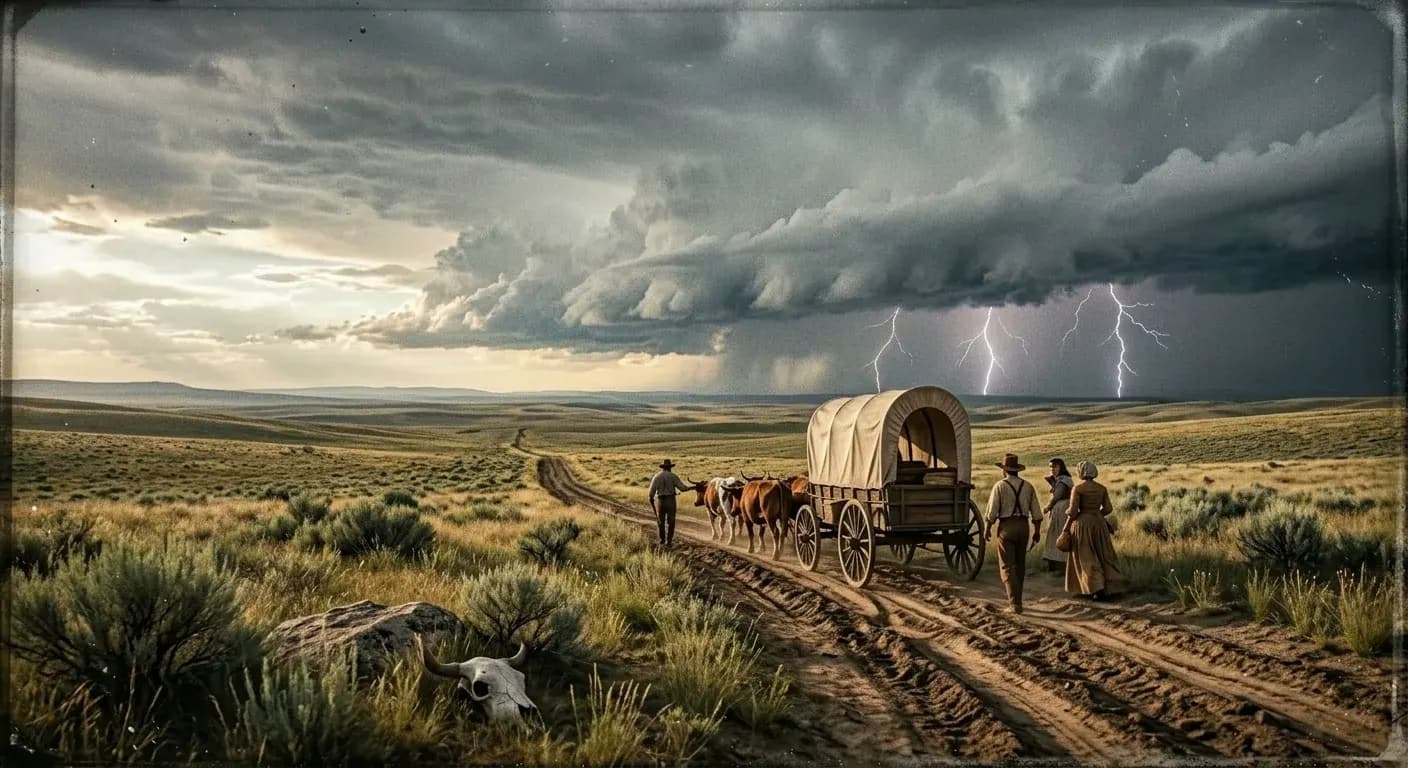
Outside Obstacles names the real, external conditions a child and their advocates run into. The obstacles are not a flaw in the child. They are not a failure of the caregiver. They are the weather, the terrain, the rivers, and the rough company of the trail.
Naming an obstacle honestly is the first move. Once you can see it, you can route around it, prepare for it, or walk through it at the pace the child can keep.
Six kinds of obstacles
What the trail actually looks like.
Emotional/Mental Challenges
Rough Terrain
Emotional and mental health challenges the child encounters on their journey.
Read the Rough Terrainpage on the trail →
Life Transitions
River Crossings
Significant life events that require careful navigation, including placement changes, school transitions, reunification.
Read the River Crossingspage on the trail →
Environmental Stressors
Weather Extremes
External environmental and systemic factors impacting well-being, such as poverty, instability, societal pressures.
Read the Weather Extremespage on the trail →
Negative Influences
Hostile Encounters
Bullying, re-traumatization, negative peer influence, or continued exposure to harmful situations.
Read the Hostile Encounterspage on the trail →
Physical Health Challenges
Disease/Health
Physical health concerns that arise from or are exacerbated by trauma, including chronic conditions, developmental impacts.
Read the Disease/Healthpage on the trail →
Lack of Support
Resource Scarcity
Insufficient access to therapeutic services, educational support, or community resources.
Read the Resource Scarcitypage on the trail →
Common questions.
Why name the obstacles at all?
Because pretending the trail is smooth is worse than naming what is rough. Children who have lived through hard things already know the ground is uneven. Naming the obstacles honestly gives everyone the same words for what is in the way, and it frees the child from feeling like they are the problem.
Are the obstacles the child's fault?
No. Obstacles are external. Rough terrain is rough. A river is a river. Weather is weather. These are conditions of the trail, not flaws in the child or the caregiver. The method is careful to keep obstacles on the outside of the child, where they belong.
What about hostile encounters?
Hostile encounters include bullying, re-traumatization, and continued exposure to harmful situations. They are real, they are named clearly, and they are not the same as ordinary friction. When you recognize a hostile encounter for what it is, you can plan a response instead of absorbing the hit and hoping for the best.
How do I work around a river crossing I can see coming?
Prepare. River crossings in the method are significant life transitions: placement changes, school transitions, reunification, major loss. You prepare by telling the child what is coming, by keeping the routines that can stay, and by leaning on the Nurturing Network for extra hands before, during, and after the crossing.