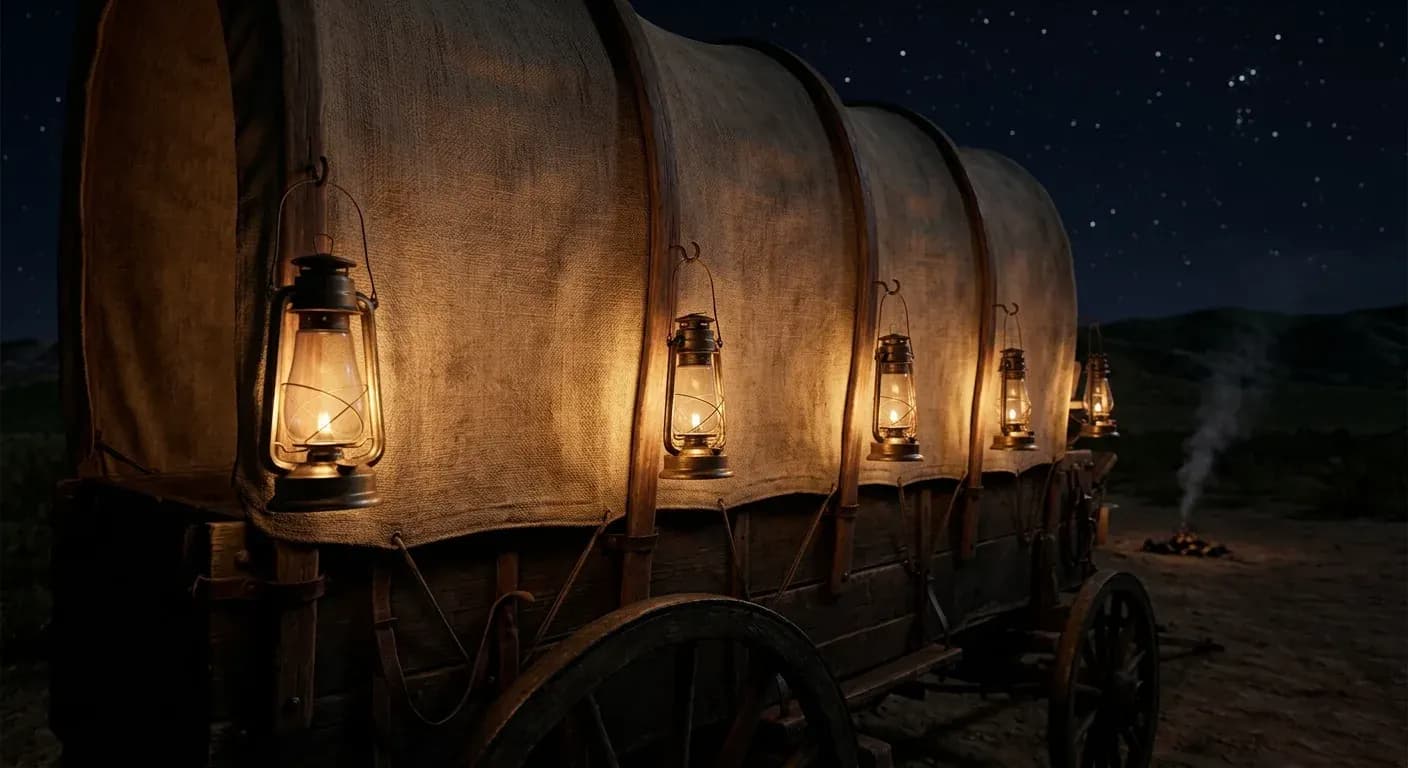
N in W.A.G.O.N.
The Nurturing Network: who walks alongside you.
Family, friends, teachers, therapists, coaches, and the wider community. The people who do not pull the wagon but who make the trail walkable for everyone riding in it.
Stretch 2 · Settling InNobody walks this trail alone, and nobody should try.
The Nurturing Network is the wider circle of people around the child. They are not the oxen pulling the wagon. They are the walking companions, the rest stops, the hand on your shoulder after a hard day.
Advocates burn out when the network is thin. Children grow roots when the network is warm. Building and tending the network is quiet, slow work, and it is one of the most important things you can do on the trail.
Six roles in the network
The people who fill out the circle.
Family
Extended family, kinship caregivers, and biological family connections that provide continuity and belonging.
Read the Familypage on the trail →
Friends
Peer relationships and friendships that offer social connection, play, and age-appropriate support.
Read the Friendspage on the trail →
Teachers
Educators and school staff who provide structured learning, routine, and additional caring adult relationships.
Read the Teacherspage on the trail →
Therapists
Mental health professionals who provide specialized trauma-informed therapeutic support.
Read the Therapistspage on the trail →
Coaches/Mentors
Activity leaders and mentors who build skills, confidence, and positive relationships outside the home.
Read the Coaches/Mentorspage on the trail →
Community
Church members, volunteers, neighbors, and community organizations that create a wider safety net.
Read the Communitypage on the trail →
Common questions.
What is the difference between advocacy and the network?
Advocates pull the wagon. The network walks alongside it. Advocates are the small set of adults who are directly responsible for the child's day-to-day care. The network is the wider circle that supports both the child and the advocates: extended family, teachers, therapists, coaches, neighbors, community members.
Why is the network part of the framework at all?
Because no family walks this trail alone, and no child heals in isolation. When the network is strong, advocates can rest, children can see other safe adults, and hard days become survivable. When the network is thin, even ordinary stretches of trail feel like emergencies.
How do I build a network if I do not have one?
Slowly, and on purpose. Start with one person outside your household. Ask for one specific, small thing. Invite one teacher, one neighbor, one relative into the language of the framework. Network building is its own long trail, and the first friendly face is the hardest one to find.
What if a network member does not understand trauma?
Most people do not, and that is workable. The Wagon Method was built to be shared with people who have never heard of developmental trauma. Hand them the wheels page. Point to one spoke you are working on. Most network members want to help, and they need specific, warm instructions more than they need a trauma lecture.