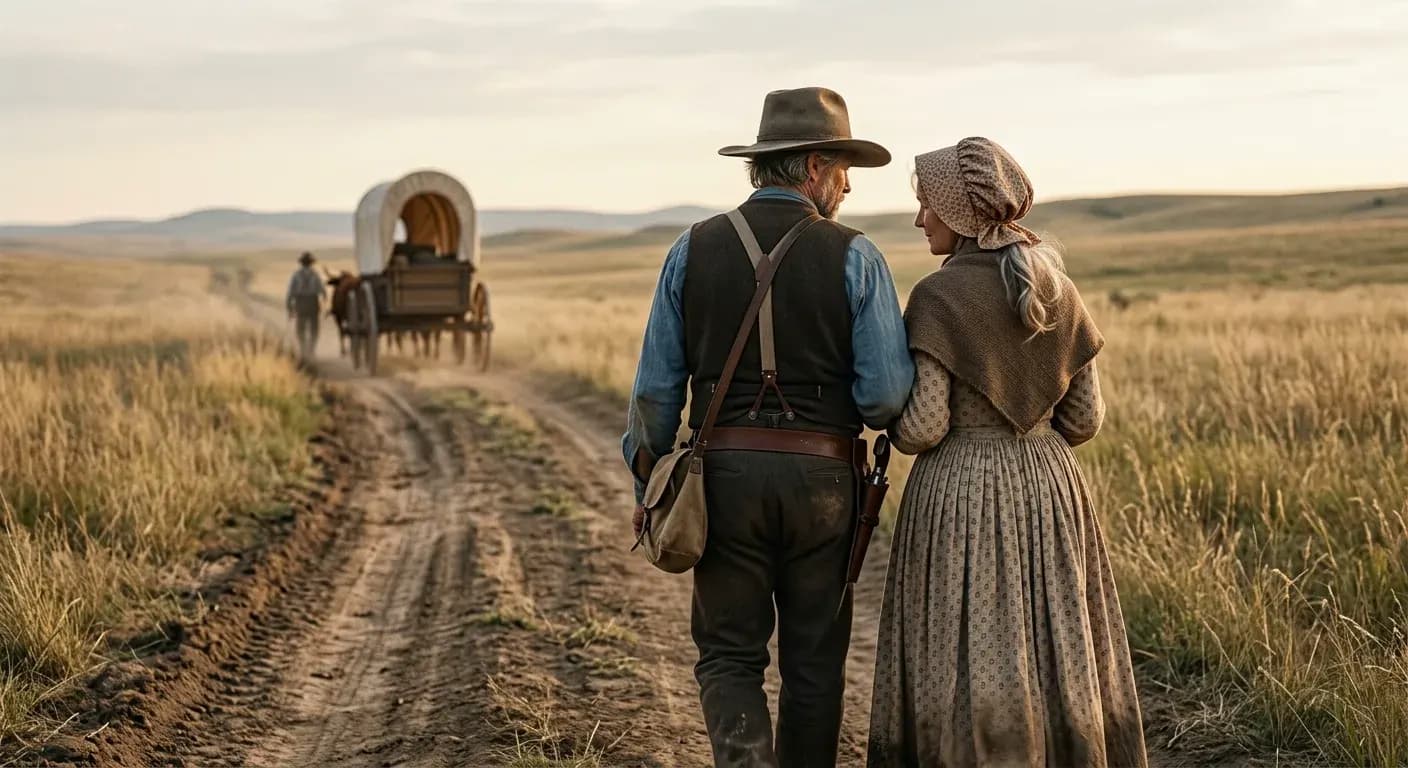
For You
Whoever you are on this trail, there is a place for you here.
The Wagon Method meets nine kinds of walkers. Pick the role you carry most of the day and start there. The framework stays the same, the vocabulary stays the same, but the first steps are shaped to your Tuesday night.
Who is this for
Nine roles, one shared trail map
A child healing from trauma is rarely held by just one person. There is a caregiver at home, a teacher at school, a therapist in an office, a caseworker with a clipboard, a grandmother on the phone at 9 p.m. When all of those people can read the same map, the child walks a steadier trail. These pages are your entry point.
Foster Parents
For the 10 p.m. caregiver in the middle of a meltdown.
You are meeting a child whose history you did not write. The method gives you a shared language for what you are seeing and small, practical moves for tonight.
Adoptive Parents
For the long trail, not just the first mile.
Adoption is a lifelong walk, not a milestone. The method gives you a picture of the whole wagon so you can honor your child's history while building a shared future.
Kinship Caregivers
For grandparents, aunts, and cousins who said yes.
You stepped in because love does that. The method helps you name what is happening, navigate the systems you did not sign up for, and keep family bonds intact.
Therapists
A shared language for the families in your care.
An educational framework that gives caregivers the vocabulary you already use. Not a replacement for clinical training, a bridge between your office and their kitchen table.
Caseworkers
One picture you can carry across every home on your caseload.
Communicating across families, documenting what you see, and building consistent assessments without reinventing language for every visit.
Teachers
Trauma-informed practices that fit a real classroom.
You see these children for six hours a day. The method gives you Safety and Identity moves you can make inside a lesson plan, and vocabulary to share with caregivers.
Network Members
For the aunt, the neighbor, the coach, the friend.
Being a reliable, steady presence without overstepping. Learn the language so the core caregivers feel held, and the child feels held with them.
Organizations
A shared method across your staff and families.
Onboarding new hires, tracking wheel health across a population, and giving every team member the same trail map. Partnership inquiries welcome.
Pediatricians
Recognize trauma presentations in a 15-minute visit.
You have limited minutes and a child in front of you. The method gives you pattern recognition and something warm and practical to hand the caregiver as they walk out.
Questions on the way in
Before you pick a page
Which page should I start with if I wear more than one hat?
Pick the role you are in most of the day. A grandmother raising her grandchildren while teaching kindergarten is first a kinship caregiver. A therapist who is also a foster parent is first a parent when the kids are home. You can always come back and read the others.
Is the method different for each audience?
The framework is the same for everyone. The four wheels, the advocacy metaphor, the grounded experiences, the obstacles, the nurturing network. What changes is which parts of the trail you spend the most time on, and which sections of the library will feel most useful on a Tuesday night.
Can I use this without a professional background?
Yes. The method was built for caregivers first. The language is warm, the strategies are practical, and nothing assumes a clinical education. Professionals find it useful because it gives them shared vocabulary with the families they serve.
Is this a replacement for therapy or clinical care?
No. This is an educational framework, not clinical treatment. It pairs beautifully with a child's care team, a family therapist, a school counselor, or a pediatrician. Think of it as the trail map everyone around the child can read together.
How do I know which stretch of the trail the child is in?
Each persona page is tagged with the stretch that tends to fit the most common starting point for that role. You can also visit Find Your Child's Stretch for a gentle check, or read the seven stretches on the journey page. You do not have to get it right on the first try.
What if I do not see my role here?
These nine cover the roles that show up most often on the trail, but the method is for anyone who is part of how a child's wagon moves. If you are a coach, a faith leader, a mentor, or a family friend, start with Network Members. If you represent an agency or program, start with Organizations.